Building the demand engine.
Sales Activated Leads on essentially flat paid spend.
better new lead → Sales Activated Lead conversion.
better new lead → demo booked conversion.
Find the right personas
B2B on Meta can be very profitable, but it can also turn into a hose of cheap, low-quality traffic. The first question was never “How do we get more leads?” It was “Which leads do we want more of?”
Identify the personas that close faster and land on higher-value plans.
The same persona strategy carried into outbound. I sourced and enriched prospects, validated contacts, and built sequences around the same customer segments and pain points we were targeting in paid.
Speak their language
Then the ad and landing page had to sound like it was made for that person: their problems, their vocabulary and the time of year when switching platforms was realistic.
I sourced that language from the places customers were already talking: Facebook groups and comments, reviews of products they used, forums, Reddit threads, YouTube comments and other community conversations.
Creative is basically free. Relevance still isn’t.
Production is not the bottleneck anymore. I can make a lot of static and video concepts quickly. The hard part is deciding what deserves to exist: which persona, which pain point, which offer and which moment.
That let me test broadly without treating every asset like a precious campaign. The goal was more useful shots on goal, then moving spend toward the combinations that actually produced quality pipeline.
I segmented campaigns by offer and allocated budget based on Sales Activated Leads at or below target cost. The cheapest offer was often too cheap for a reason. The most expensive was hard to scale. The middle was usually where quality, margin and volume lined up.
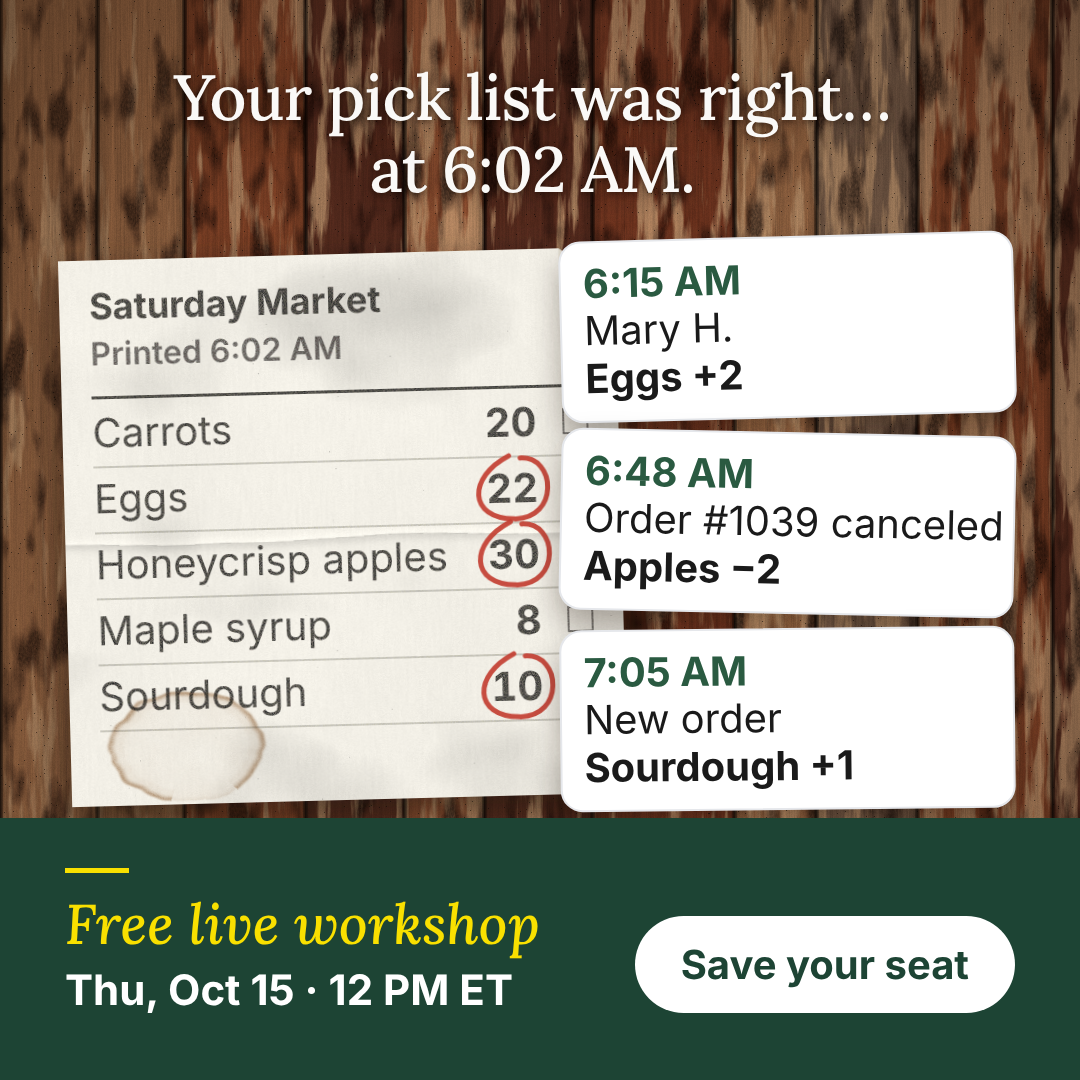

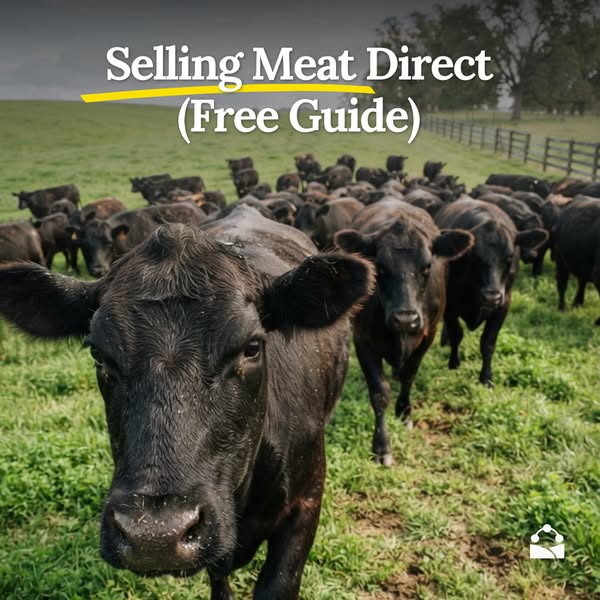


Once an offer started producing Sales Activated Leads at the right economics, it earned more budget. If it did not, it got cut. Top-of-funnel metrics were useful diagnostics, but they were not the finish line.
Control the journey
If I am paying for the traffic, I do not want the landing page giving people ten ways to leave.
The ad makes a promise. The page continues the same message. The CTA asks for the next logical step. Navigation and competing actions only stay if they help that job.
Heatmaps helped show where the page was fighting that journey: what was stealing attention, where people stopped engaging, how far they scrolled and where they were exiting.
I think of it as putting blinders on the journey — not hiding anything, just removing the distractions between intent and action.
Give the lead something useful. Learn something useful back.
Guides work. The problem is what you know afterward. Someone downloads a PDF and your follow-up is often still generic.
Quizzes are the next step up because they add structured answers. But a purpose-built tool can go further.
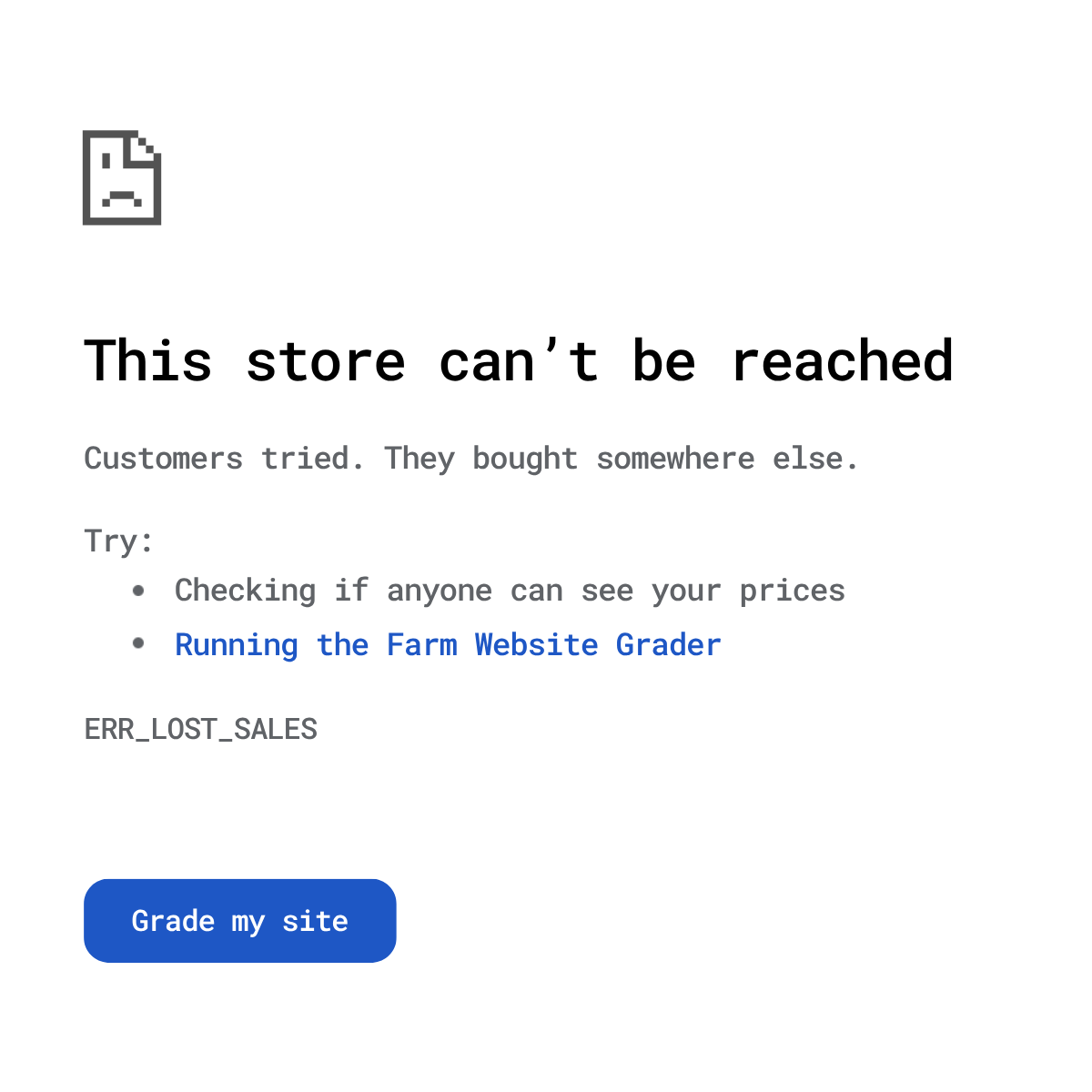
If a farm already has a website and online store, that is a strong qualification signal. So I built a Website Grader that gives them a useful report in a few minutes while also creating more context for the next conversation.
Automated browser checks and structured analysis collect the useful signals.
Agents translate raw checks into a report that is useful to the farmer and usable for segmentation.
Relevant attributes can follow the lead into CRM and nurture so marketing and sales do not start from zero.
Then I had to market the thing.
The grader was one offer, but it still needed different ways into the problem. I tested direct product walkthroughs, problem-aware creative and more narrative, persona-led concepts.
More context made the follow-up better.
The useful part did not stop at the report. Because the grader learned more about the business, the follow-up could dynamically use relevant context instead of treating every lead the same.
That made the email feel like a continuation of the thing they had just asked us to help with — not another generic nurture sequence.
Fix the feedback loop before scaling it.
Spearfishing in muddy water isn’t very efficient.
I moved conversion tracking toward server-side signals so platform reporting lined up much more closely with what was actually happening downstream.
Then budget could be judged on the metric I actually cared about: whether the campaign and offer were producing Sales Activated Leads at or below target cost.
Find 100 cents instead of chasing a new dollar.
Most of the gains did not come from one magic campaign.
They came from stacking smaller wins: better persona selection, more relevant creative, cleaner landing pages, stronger offers, richer lead context, better follow-up and more trustworthy measurement.
Sales Activated Leads on essentially flat paid spend.
better lead → Sales Activated Lead conversion.
better lead → demo booked conversion.